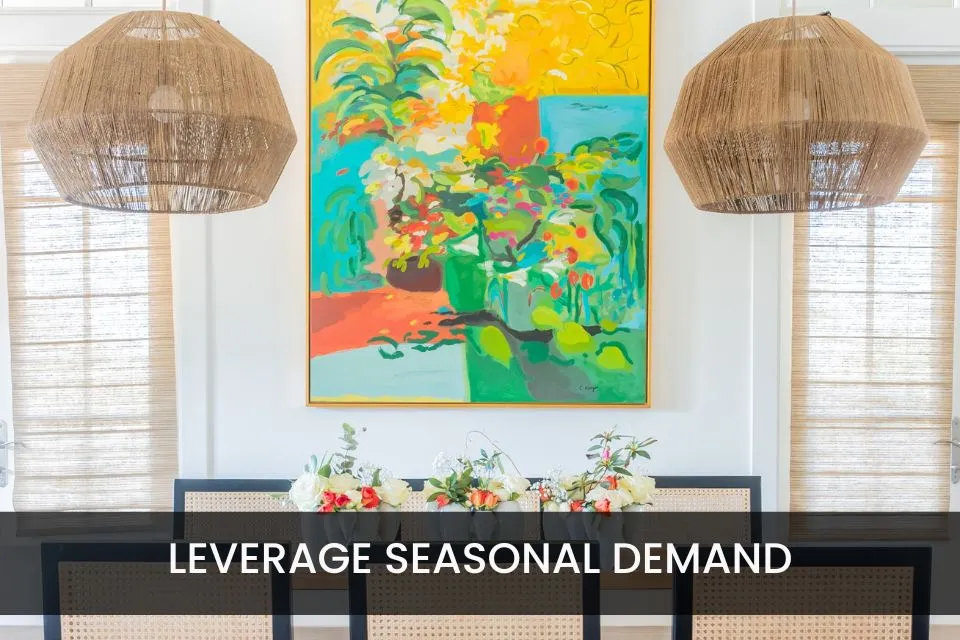
Timing can make all the difference when selling your home. While location and condition arealways important, seasonal demand plays a major role in how quickly a home sells—and atwhat price. Each season brings unique opportunities and challenges in real estate. Byunderstanding and tapping into these patterns, you can market your property more effectively,attract motivated buyers, and maximize your results.
This guide explores how to leverage seasonal demand to sell your home, with practical insightsfor every time of year.
Why Seasonal Demand Matters
Real estate activity follows natural rhythms. Families often plan moves around schoolschedules, weather impacts buying behavior, and holidays influence timelines. Buyers andsellers alike are influenced by these seasonal factors.
● Spring and summer: Traditionally the busiest seasons, with more listings and morebuyers.
● Fall: Attracts serious buyers looking to close before the holidays or new year.
● Winter: Though slower, it can bring motivated buyers and less competition.
Understanding these cycles allows you to strategically align your listing with peak demandwhile preparing your home to meet buyers’ seasonal expectations.
Spring: The Season of Fresh Starts
Spring is often seen as the best time to sell a home, and for good reason. Buyers emerge fromwinter eager to start fresh, and longer daylight hours allow for more showings.
How to leverage spring demand:
● Maximize curb appeal. Freshly planted flowers, green lawns, and clean walkways makea strong first impression.
● Highlight light and space. Open blinds and use mirrors to emphasize natural light.
● Stage with freshness. Add bright accents like fresh flowers, light textiles, and neutraldécor.
Example: A home listed in April with blooming landscaping and airy interiors will feelespecially inviting to buyers eager for change.
Summer: Family Moves and Longer Days
Summer is another high-demand season, particularly for families who want to move before thenew school year begins. Extended daylight hours and warm weather also make it easier forbuyers to tour homes.
How to leverage summer demand:
● Highlight outdoor spaces. Stage patios, decks, and yards with furniture to showcasesummer living.
● Play up family-friendly features. Proximity to schools or community amenities shouldbe front and center.
● Stay on top of maintenance. Keep grass trimmed, gardens weeded, and outdoor areastidy.
Example: A backyard staged with a dining set and string lights helps buyers picture summergatherings—an emotional selling point.
Fall: A Window of Serious Buyers
While demand tapers off after summer, fall brings motivated buyers who want to settle beforethe holidays. With less competition from other sellers, your home can stand out if priced andpresented well.
How to leverage fall demand:
● Stage with warmth. Use cozy accents like throw blankets, candles, and seasonalcolors.
● Emphasize move-in readiness. Buyers have limited time, so highlight upgrades andrecent maintenance.
● Refresh curb appeal. Keep leaves raked, gutters cleaned, and the entryway invitingwith autumn décor.
Example: A staged dining table with neutral fall accents can help buyers envision hostingholiday dinners in the space.
Winter: Stand Out in a Quieter Market
Winter is traditionally the slowest season, but that doesn’t mean you can’t sell successfully.Many buyers shopping in winter are highly motivated—whether relocating for work, downsizing,or aiming to buy before year-end for tax purposes.
How to leverage winter demand:
● Highlight comfort. Showcase fireplaces, warm lighting, and cozy spaces.
● Keep pathways clear. Shovel snow, salt icy walkways, and ensure safe access.
● Use professional photos. Bright, well-lit images make your home stand out onlineduring darker months.
Example: A living room staged with a roaring fire and soft lighting appeals to winter buyerslooking for a cozy retreat.
Year-Round Strategies for Leveraging Seasonal Demand
While each season has unique benefits, certain strategies work year-round to ensure your homealigns with seasonal buyer psychology.
1. Understand Buyer Motivation
● Families often plan moves around school years (spring/summer).
● Professionals may relocate at the start of a new job quarter (fall/winter).
● Empty nesters and downsizers may have more flexibility but still appreciate seasonallystaged homes.
2. Time Your Listing Strategically
If possible, align your listing with local seasonal peaks. For example, suburban family homesoften shine in late spring, while condos in urban areas may sell well year-round.
3. Stage with Seasonal Appeal
Adapt your staging to the time of year. Bright and airy in spring, vibrant outdoors in summer,cozy in fall, and warm in winter. Subtle seasonal touches make your home feel current andappealing.
4. Adjust Marketing Materials
Update listing photos and descriptions to match seasonal buyer expectations. Highlight patios insummer, fireplaces in fall and winter, and fresh landscaping in spring.
Avoiding Seasonal Pitfalls
Leveraging seasonal demand also means being aware of common mistakes:
● Overdoing décor. Too many seasonal decorations can feel cluttered or personal.
● Neglecting maintenance. Seasonal wear and tear (like fallen leaves or icy driveways)can create a negative impression.
● Pricing emotionally. Even in high-demand seasons, overpricing can stall momentum.
● Ignoring local trends. Real estate is hyperlocal—seasonal demand can vary dependingon your area’s climate and buyer demographics.
Example: A Seasonal Selling Success
Consider a homeowner listing in October. Instead of waiting until spring, they leaned into fall’sunique strengths: staging with warm textures, cleaning up the yard, and pricing competitively.With fewer competing listings, they drew in motivated buyers who were eager to close beforethe holidays. The result? Multiple offers and a strong sale price—proving that the right strategycan make any season work in your favor.
Conclusion: Turn Seasonal Trends Into Your SellingAdvantage
Seasonal demand shapes how buyers search, tour, and make offers on homes. Byunderstanding these cycles and tailoring your approach—whether it’s fresh curb appeal inspring, outdoor staging in summer, cozy accents in fall, or comfort in winter—you can marketyour home more effectively and attract the right buyers at the right time.
Selling your home isn’t just about the “what”—it’s about the “when.” By aligning your strategywith seasonal demand, you’ll position your home for success and create a listing that resonateswith buyers year-round.
Thinking about selling soon? Let’s create a strategy that leverages seasonal trends tomaximize your home’s value and appeal.